
Collaboration Starts at Home
Written by Jan Bormans
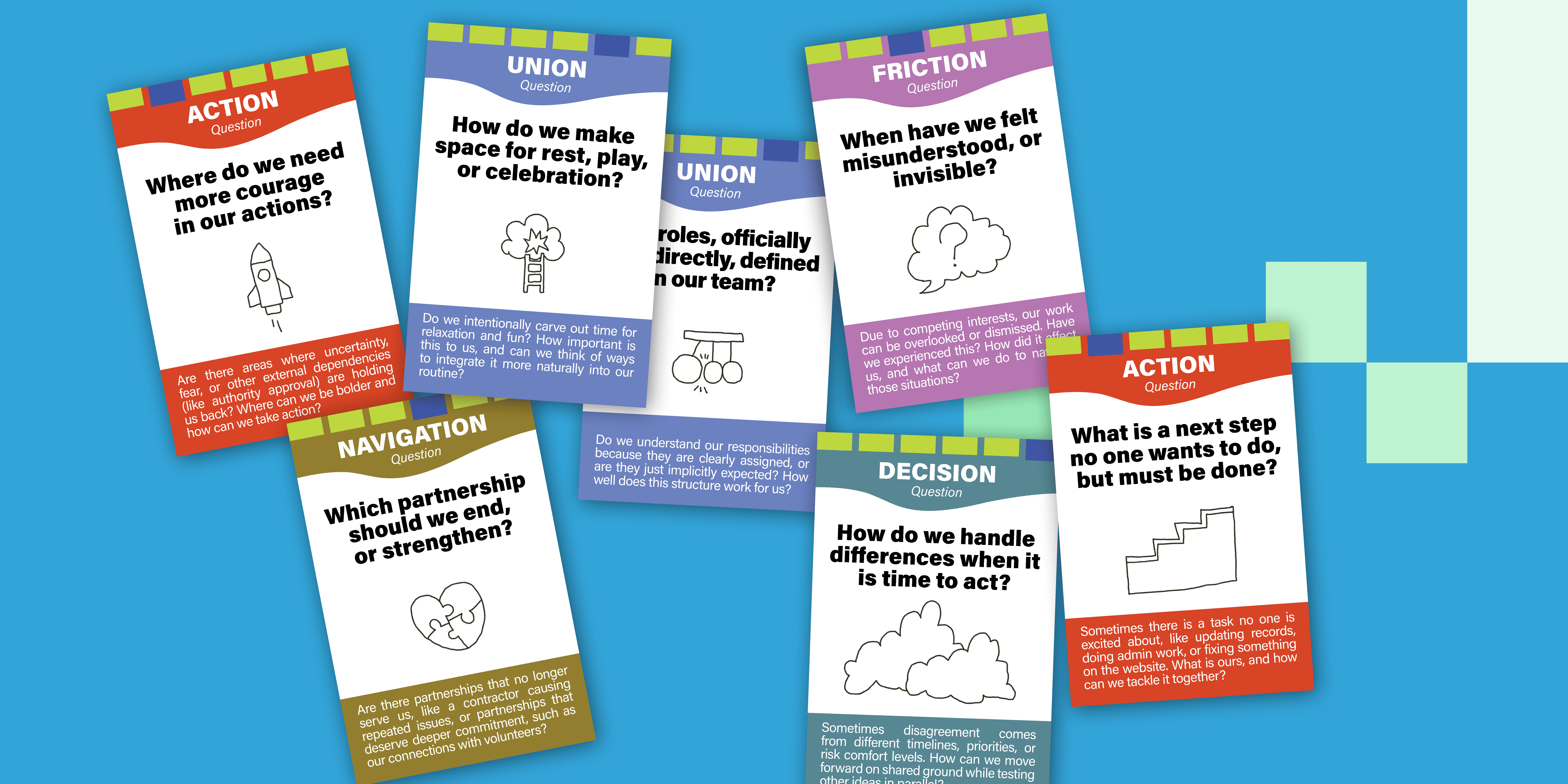
A lot has been written about collaboration in innovation. But one simple truth keeps coming back to me: collaboration is easy to praise from a stage and much harder to make work in practice.
I recently had the honour of giving a keynote for the European Innovation Council on “Collaboration: The New Innovation Engine”. Preparing that talk pushed me to reflect not only on how startups, innovative SMEs, larger organisations and public actors work together, but also on what truly makes collaboration succeed.
Collaboration is more than a good intention
One of the core ideas in my keynote was that collaboration is not automatically good. It can create real acceleration, but it can also create friction, delay and what is sometimes called “innovation theatre” when expectations, pace and decision-making are misaligned.
For me, three lessons stand out:
- Collaboration must be designed, not just announced;
- Real value comes from complementary assets, not from vague networking;
- Successful partnerships need clarity on the problem to solve, the next step, and the pathway to scale.
That reflection matters because too many organisations say they want entrepreneurial speed while keeping internal processes that make fast, meaningful cooperation almost impossible.

Why this made me think about Th!nk E
While working on the keynote, I realised something else: you cannot build strong external collaboration if your internal model does not reflect it.
At Th!nk E, we work on a fair, sustainable and resilient energy transition. That challenge is complex by nature. It cannot be solved through one lens only. That is why our work combines technological, social and regulatory perspectives.
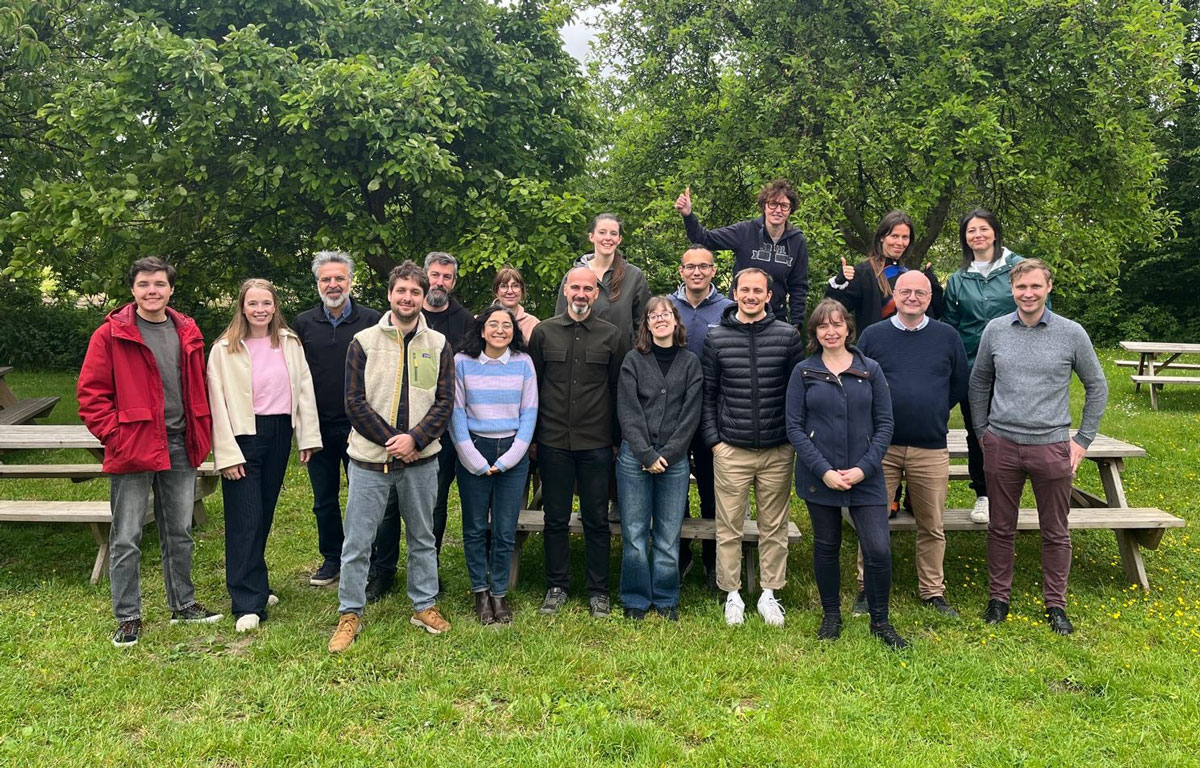
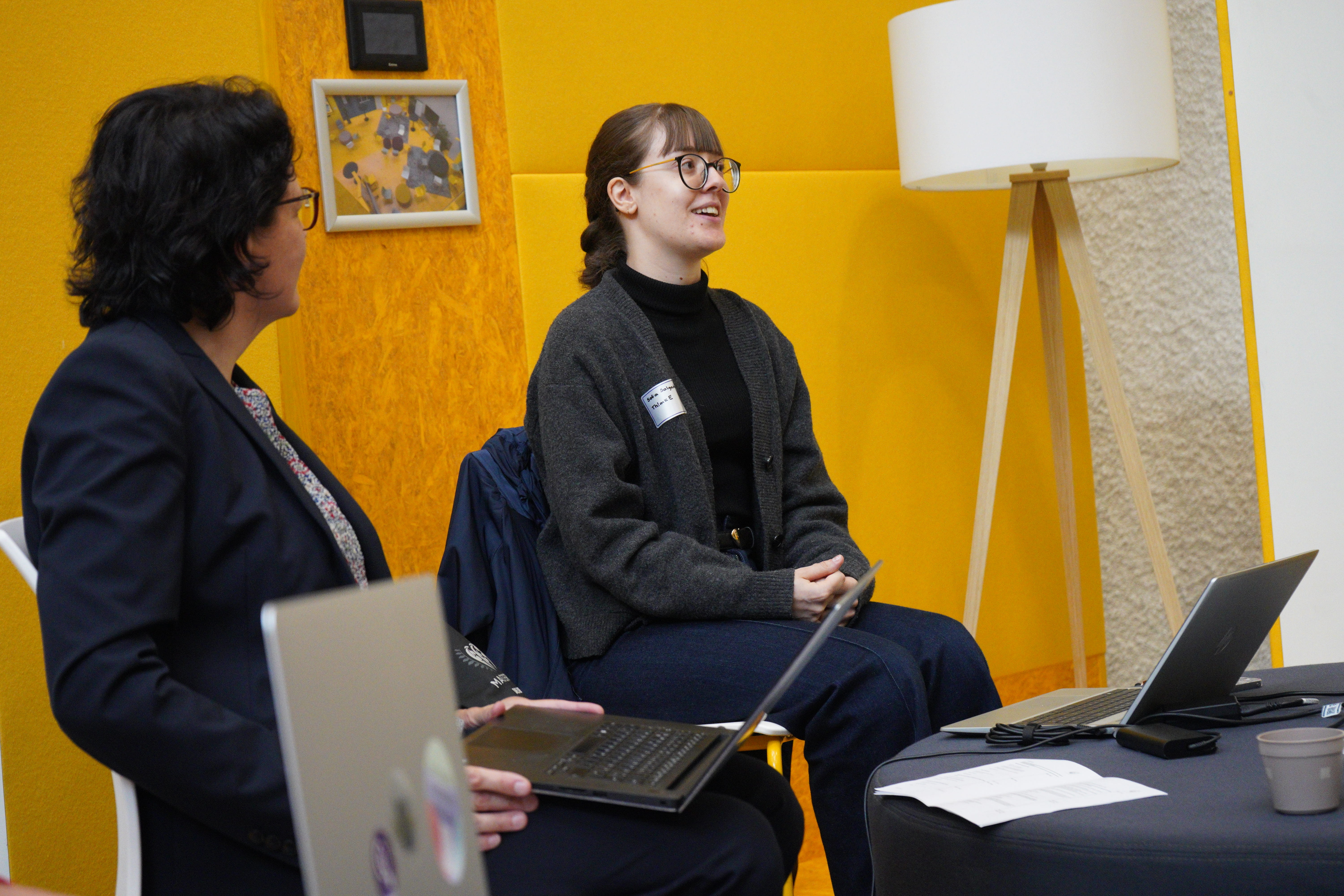
It is also why our team matters so much. We bring together engineers, PhDs, project managers, legal experts, designers and even a psychologist. Our diversity is not only multidisciplinary; it is also reflected in the people themselves, with colleagues bringing Belgian, wider European and international perspectives, and a healthy balance of backgrounds and viewpoints. That diversity is what allows us to understand complexity from multiple angles, connect the dots between policy and practice, and turn difficult questions into workable solutions.
Collaboration as a way of working
This is probably the insight I feel most strongly about after the keynote: collaboration is not only something we advocate externally. It is something we need to embody internally, every day.
For me as CEO, that is a source of pride. I am proud to work with a team that is intellectually curious, multidisciplinary and deeply committed to quality. I am proud that we work across boundaries rather than inside silos. And I am proud that this way of working helps us support partners with both ambition and realism.
Our new website now reflects that more clearly. It does not only show what we do; it also shows how we think. It makes visible that our strength lies in bringing together different forms of expertise to create impact.
Final thought
If collaboration is the new innovation engine, then organisations must do more than talk about partnerships. They must become partners worth collaborating with.
That starts internally. And at Th!nk E, that is exactly the standard we want to live up to.


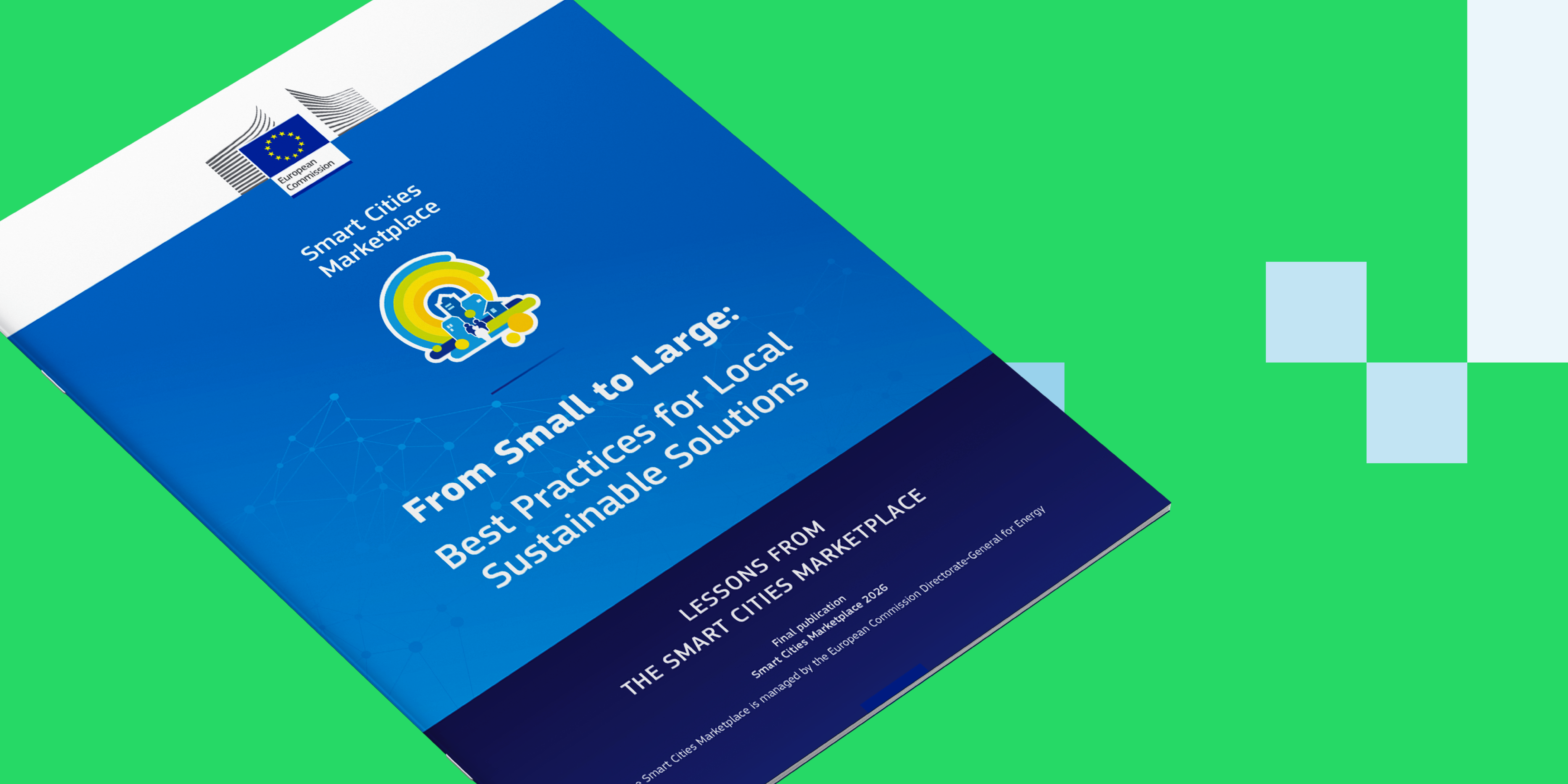
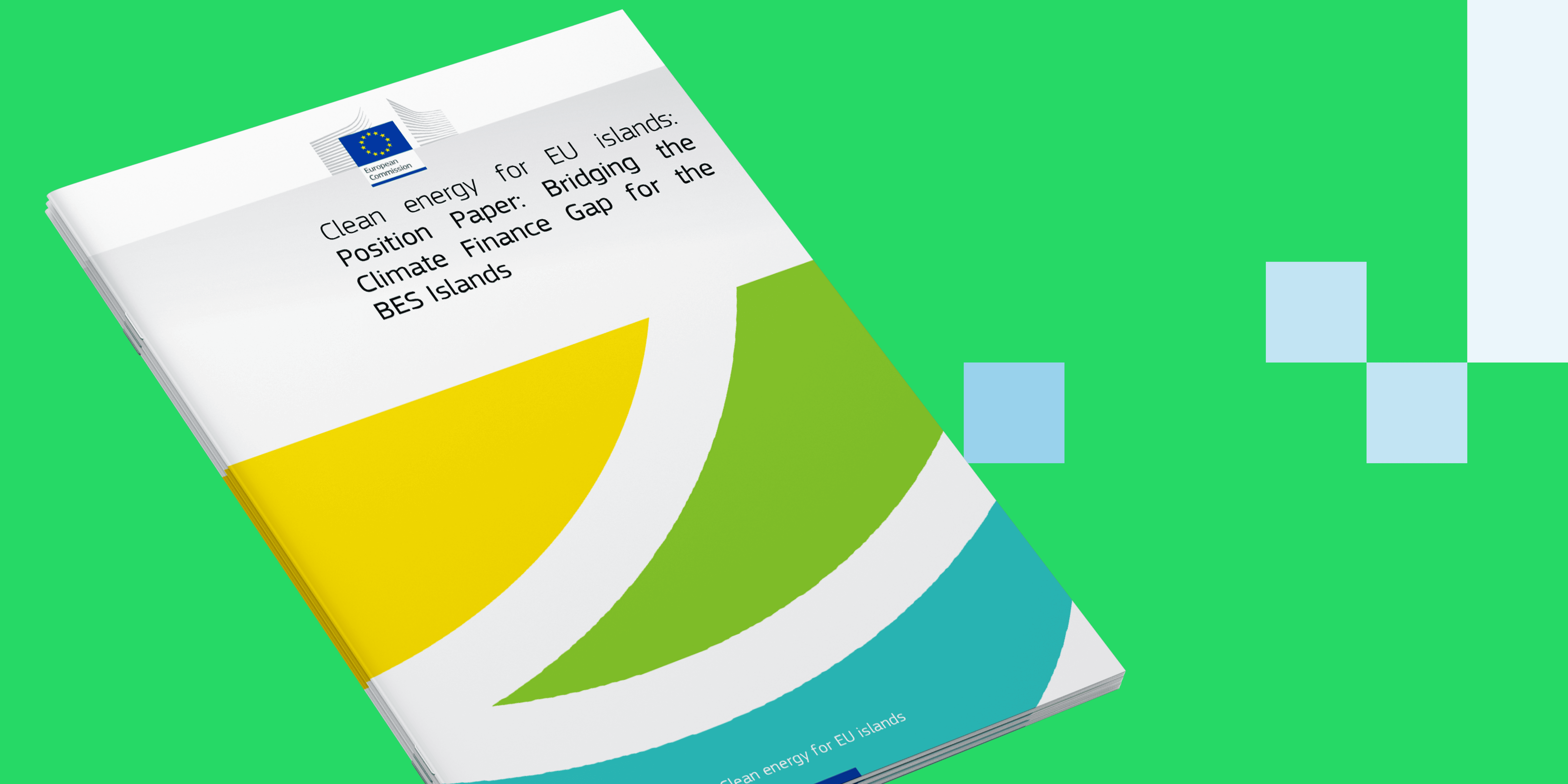
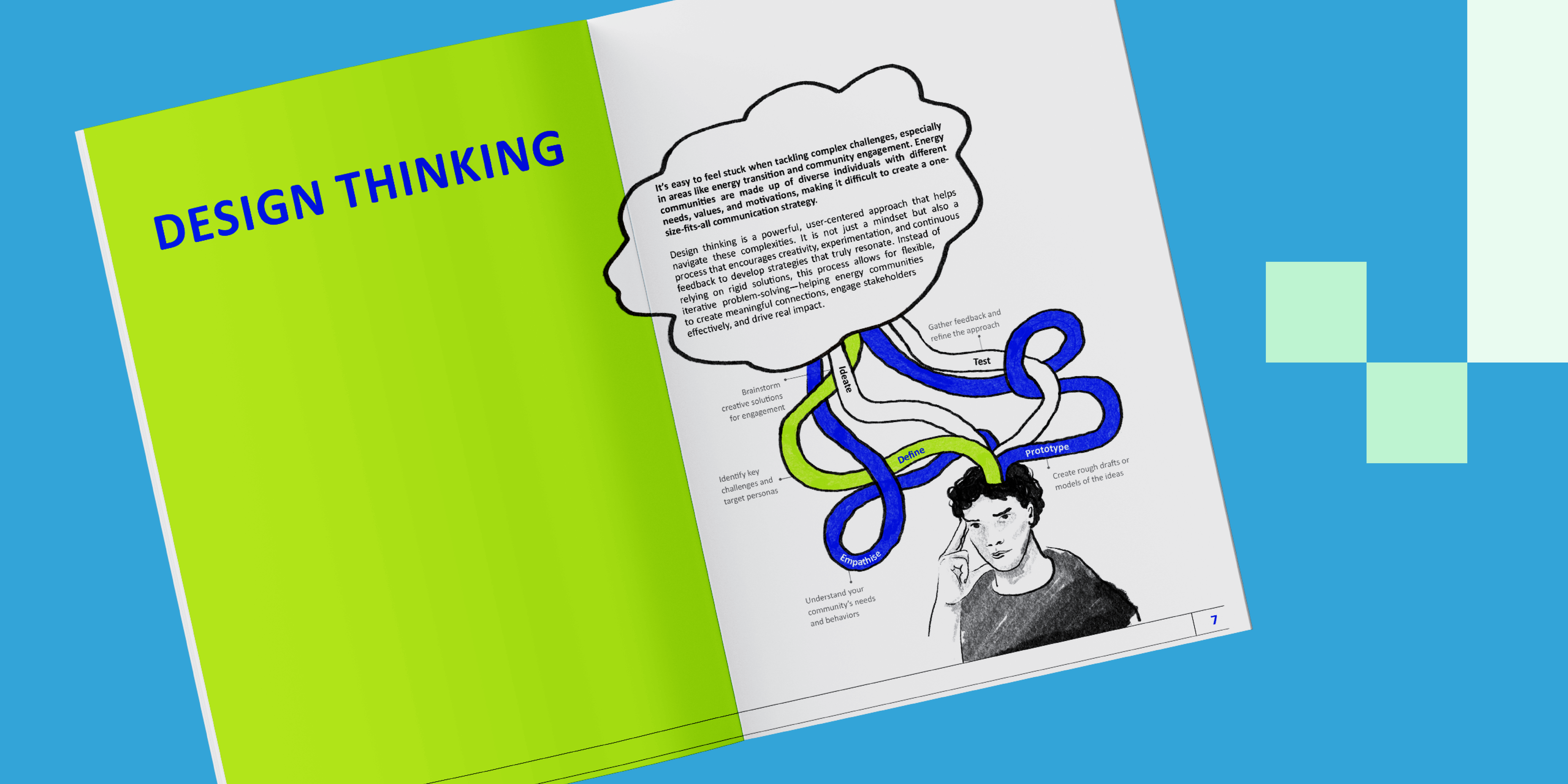
Dive into our knowledge.
Explore our insights, tools, and research to inform, guide, and accelerate the energy transition.

.jpg)



Questions, ideas, or expertise to share?
We’re always happy to connect, answer questions, and explore ways to collaborate.


