
The Smart Cities Marketplace: Turning urban ambition into investment-ready action
Written by Ervis Sulejmani
.jpg)
Smart Cities Marketplace
There's a familiar pattern in Europe's climate transition. A city sets a bold sustainability ambition. A pilot city or district proves what's technically possible. Stakeholders gather. And then, somewhere between strategy and implementation, momentum slows, not because the ideas are weak, but because transforming a city is rarely just a technology problem.
That's where the Smart Cities Marketplace (SCM) positions itself: not as another policy platform, but as an ecosystem designed to help cities move from ambition to investment-ready action. Supported by the European Commission, it helps cities advance their projects and connects them with investors and local stakeholders to accelerate sustainable urban transformation across Europe, starting long before funding arrives. Beyond “smart” as a buzzword The term “smart city” has suffered from overuse, years of dashboards, sensors and disconnected digital pilots. Europe's newest wave of urban innovation works differently, shifting toward practical, citizen-oriented transitions:
- energy-efficient buildings;
- cleaner mobility;
- resilient energy systems;
- local energy communities;
- climate-neutral districts.
The European Commission defines smart cities as places that integrate physical, digital and human systems to improve services, reduce emissions and make better use of resources. The SCM embraces that broader understanding, spanning mobility, energy infrastructure, governance, digitalisation and citizen engagement, but its real contribution is helping these pieces move together.
The integrating layer between vision and delivery
One of the strongest ideas behind the SCM is deceptively simple: cities don't only need inspiration. They need support turning ideas into bankable projects.
That gap is where many local authorities struggle. Technical knowledge may exist. Political will may exist. But developing financially viable, investor-ready projects requires expertise that many municipalities, especially smaller ones, simply don't have in-house.
The SCM addresses this through its “Explore – Shape – Deal” approach:
- Explore existing solutions and lessons learned from European cities.
- Shape projects through technical assistance, consultancy and peer exchange.
- Deal by connecting mature projects with financing opportunities and investors.
It sounds straightforward, but the value lies in the integration. Rather than treating financing as a final step, the Marketplace embeds financial thinking early into project development, changing the conversation from simply “What would we like to build?” to “What can realistically scale, attract investment and deliver impact?”
Why collaboration matters
Europe's urban transition is becoming increasingly interconnected. Energy systems influence mobility. Mobility influences air quality. Digital infrastructure influences citizen participation. Housing policy influences energy poverty. No single department, or single organisation, can solve these challenges alone.
That's why initiatives like the SCM focus on ecosystems rather than standalone projects, bringing together cities, investors, experts, utilities, researchers and solution providers across Europe. Collaboration is no longer just a “nice to have”, it is becoming operational infrastructure for climate neutrality, in line with the EU Mission for Climate-Neutral and Smart Cities, which is pushing cities to become innovation hubs capable of accelerating Europe's green transition. The SCM acts as one of the practical enablers around that mission.
From pilot projects to replicable models
One of the Marketplace's most valuable contributions may be its emphasis on replication. Europe already has hundreds of successful urban pilots, the challenge isn't proving that sustainable urban solutions work, it's scaling them across different cities, governance models and financial realities.
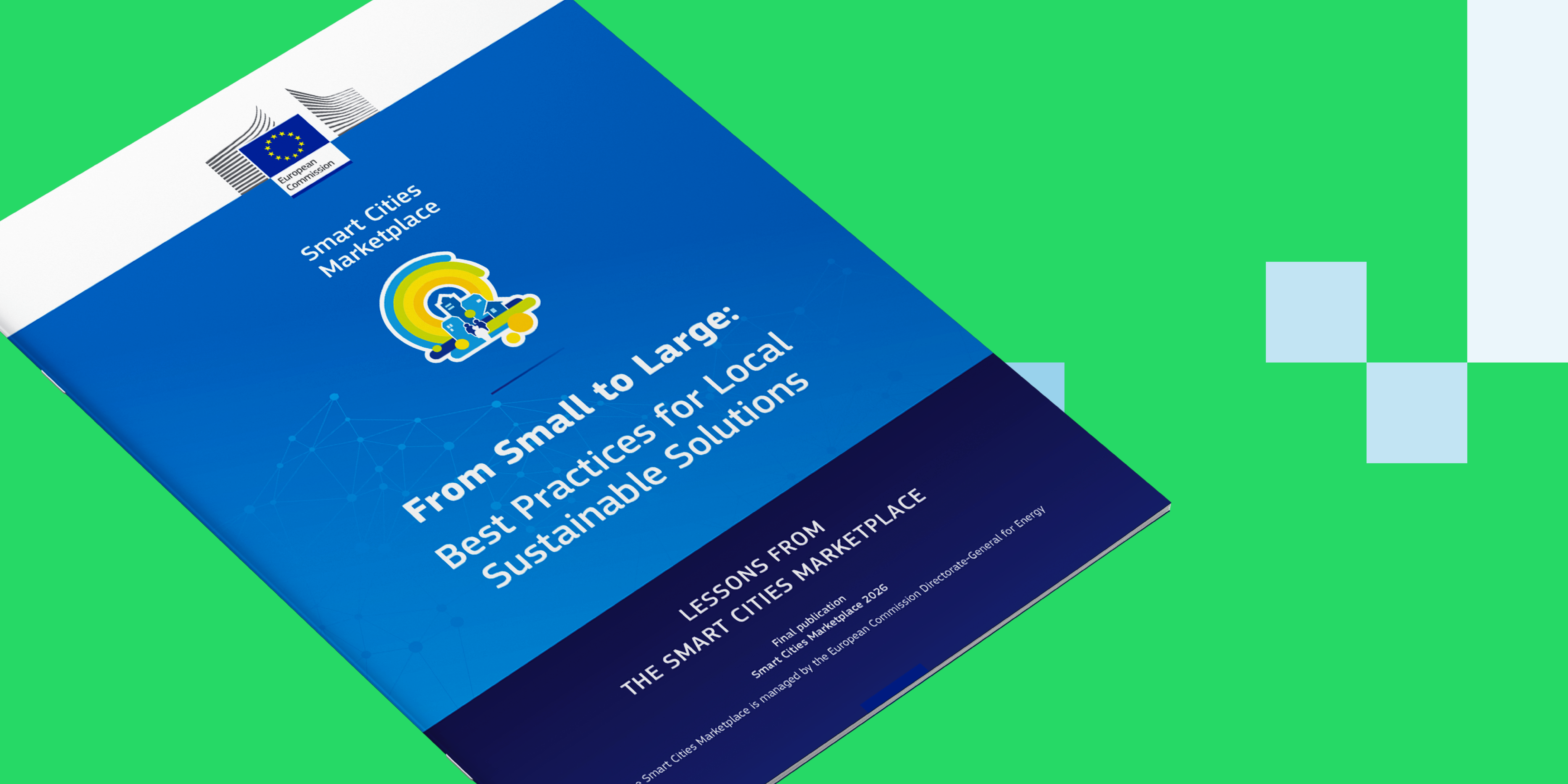
The platform's Explore section now features use cases from more than 90 successful European projects, offering practical case studies and performance insights cities can learn from directly: what financing structure worked, which stakeholders needed alignment, where implementation fell short, which governance model accelerated delivery, how citizen engagement was handled. The Marketplace's solution booklets and guidance materials turn these experiences into actionable knowledge rather than static reports, increasingly important as Europe moves from experimentation into large-scale deployment.
Citizen-centred energy transition
Recent SCM initiatives increasingly emphasise mobility, digital transformation, energy communities, citizen-led renovation and participatory energy systems. This reflects a broader reality: the energy transition cannot succeed if it remains purely institutional. People need to see themselves not only as consumers of infrastructure, but as participants in the transition itself.
Energy communities, for example, create local ownership models around renewable energy generation and governance, and the Marketplace has actively supported cities through technical support, discussions, masterclasses and collaboration frameworks around these initiatives. That shift toward participation may ultimately become one of the defining characteristics of Europe's next generation of smart cities, not cities that are simply digitally connected, but cities that are socially connected as well.
A marketplace in the truest sense
What makes the SCM particularly interesting is that it functions as a facilitation layer between fragmented actors. Cities often work in silos. Investors look for mature opportunities. Technology providers seek adoption pathways. Researchers generate valuable but disconnected insights.
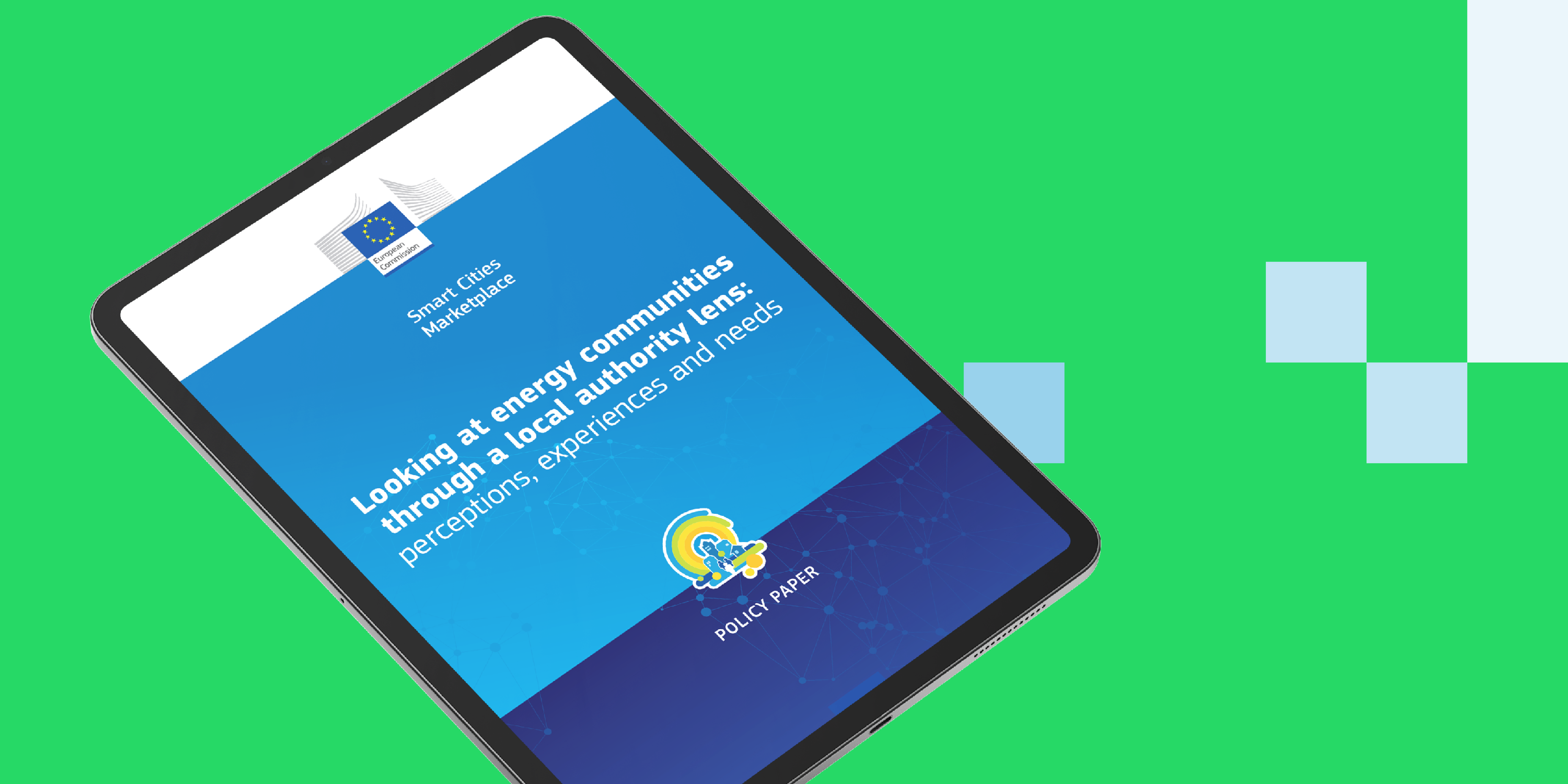
The Marketplace creates the conditions for these groups to interact productively, and it collaborates with other initiatives such as NetZeroCities and the EU Covenant of Mayors to keep the wider ecosystem aligned. Its matchmaking services, tailor-made support to cities, financing masterclasses, investor engagement programmes, topical booklets and policy papers are all designed around that same challenge.
Transition will be local
Europe's climate ambitions are often discussed at continental scale, but implementation ultimately happens city by city, district by district, building by building. That makes local capacity one of the most important climate assets Europe has.
The SCM recognises this by supporting cities of all sizes, not only major capitals with large innovation teams, and that inclusiveness matters. Climate neutrality will not be achieved by a handful of flagship cities alone; it will depend on whether smaller and mid-sized municipalities can also access expertise, financing and replicable models. The transition becomes real when sustainable urban development stops being exceptional and becomes operational.
The real work starts before the project
Perhaps the most important lesson from the SCM is this: successful urban transformation rarely begins with technology. It begins with relationships, support at early stages, cities willing to learn from each other, institutions capable of reducing fragmentation, investors engaged early, and citizens treated as participants rather than endpoints.
The future of Europe's cities will depend not only on innovation capacity, but on collaboration capacity. And in that sense, the SCM is less about “smart cities” as a concept, and more about creating the connective tissue needed to make urban transition actually happen.


Dive into our knowledge.
Explore our insights, tools, and research to inform, guide, and accelerate the energy transition.








Questions, ideas, or expertise to share?
We’re always happy to connect, answer questions, and explore ways to collaborate.


